The Northland Real Estate Market: 2025 Wrap-Up & What to Expect in 2026
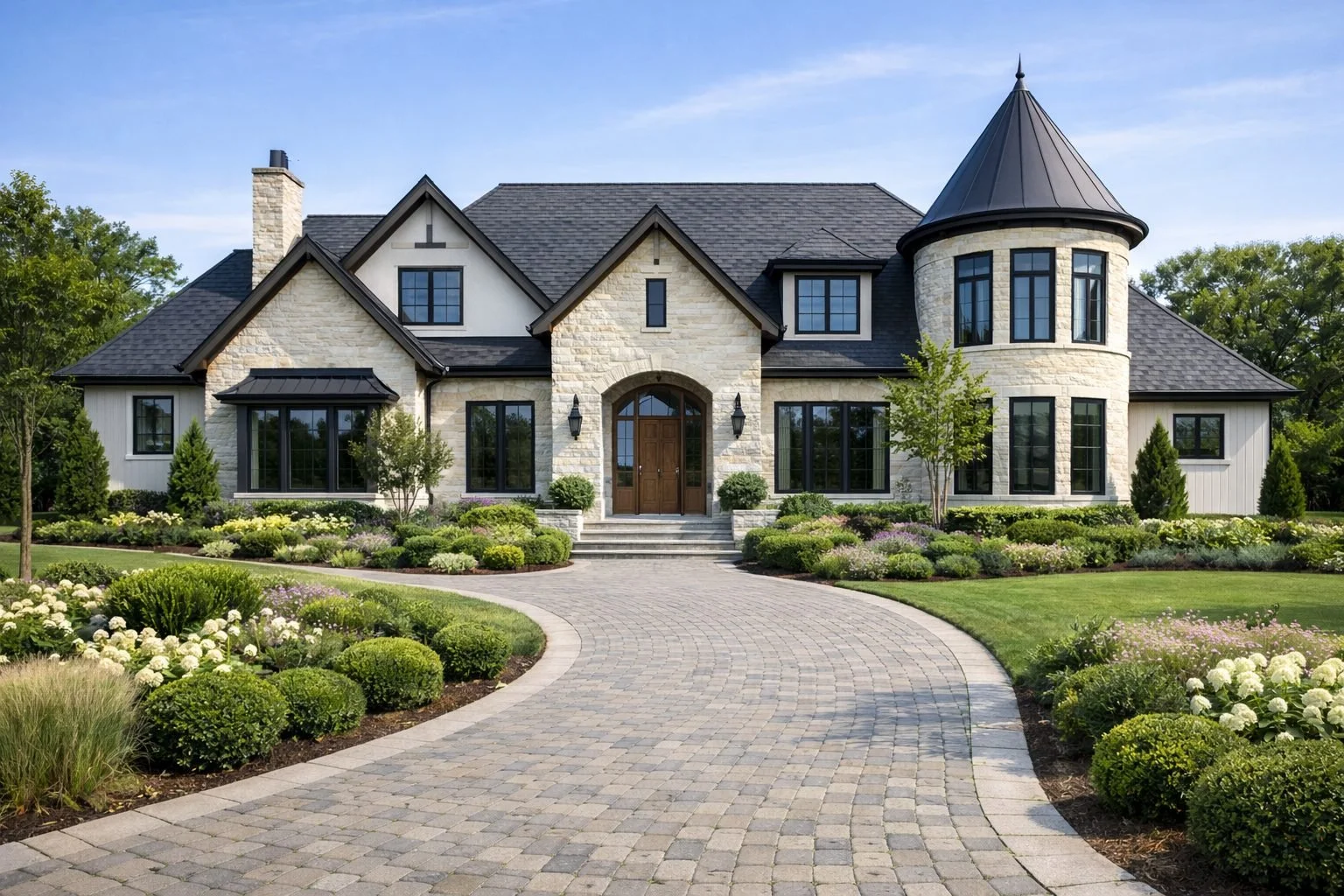
As 2025 comes to a close, the Northland continues to stand out as one of the Kansas City metro’s most resilient and opportunity-rich markets—especially for buyers and sellers operating above the $600,000 price point. While the broader housing market has shifted into a more balanced phase, north of the river that balance has translated into clarity rather than slowdown.
The days of frantic bidding wars have largely faded, but demand for well-located, well-designed homes remains steady. What’s changed is how buyers decide—and how sellers must position their homes to succeed.
Why the Northland Continues to Draw High-End Buyers
The Northland’s appeal strengthened in 2025 as buyers reassessed value, lifestyle, and long-term usability. Larger homes, newer construction, and more generous lots continue to differentiate this area from many southern suburbs. Easy access via I-29 and I-35 has also made the commute feel increasingly manageable, particularly for buyers who work in multiple parts of the metro.
Communities such as Parkville, Weatherby Lake, and Briarcliff have benefited from this shift. Buyers drawn to these areas are often looking beyond short-term market cycles and focusing instead on neighborhood character, school options, and how a home will function for the next decade.
How the Northland Performed in 2025
Home prices in the Northland continued to rise, but at a much more sustainable pace than during the peak frenzy years. Properties that were priced correctly and presented well still sold efficiently, often within a reasonable window. Homes that entered the market with aspirational pricing, however, were far more likely to sit—and eventually require price adjustments.
Inventory increased modestly over the course of the year, particularly in the upper price brackets. This gave buyers more breathing room and shifted negotiations back toward the middle. Days on market lengthened compared to previous years, but that extension reflects deliberation rather than weakness. Buyers are taking time to compare options, and sellers who understand this are seeing better outcomes.
New Construction Remains a Defining Advantage
One of the Northland’s biggest differentiators in 2025 was the continued availability of new construction. While many parts of the metro struggled with limited supply, builders north of the river continued delivering homes—particularly in planned communities.
That said, buyers became far more selective. Rather than simply choosing “new,” they evaluated finish quality, lot placement, builder reputation, and long-term value. Incentives such as temporary rate buy-downs helped sustain demand, but informed buyers focused on which homes would still feel like smart purchases five or ten years from now.
What Northland Sellers Should Expect in 2026
For sellers heading into 2026, success will be less about timing the market and more about execution. Buyers are comparing your home not only to resale listings, but also to nearby new construction. Pricing must reflect that reality.
Homes that stand out—through thoughtful updates, strong presentation, and accurate pricing—continue to attract serious buyers. Established neighborhoods with mature landscaping and functional layouts often compete extremely well against newer builds, particularly when sellers are realistic and proactive.
What Buyers Will Experience Going Forward
Buyers entering the Northland market in 2026 will find conditions that reward patience and preparation. More inventory means more choice, and fewer emotional decisions. Negotiation has returned to the process, especially on homes that linger past the first few weeks.
For well-qualified buyers, this is an environment where strong representation and local insight can uncover meaningful opportunities—whether that means negotiating terms with a builder or identifying value in an established neighborhood.
The Northland Outlook for 2026
Looking ahead, the Northland is positioned for steady, sustainable growth rather than dramatic swings. Demand for space, flexibility, and lifestyle-oriented communities remains strong, and new construction will continue to act as a stabilizing force rather than a disruptor.
This is no longer simply a “value alternative” to other parts of the metro. The Northland has matured into a destination market—one that rewards informed buyers and well-prepared sellers alike.
Final Thoughts
The Northland market in 2026 will favor clarity over urgency. Buyers are thoughtful. Sellers must be strategic. When those two meet, guided by local expertise, excellent outcomes are still very achievable.
If you’re considering buying or selling north of the river, understanding these nuances can make the difference between chasing the market and confidently navigating it.